Introduction – Why Calculate the Cost of Coffee Over a Lifetime?
“It’s just a few dollars a day.”
That’s the phrase millions of coffee drinkers tell themselves each morning. But what happens when you add up that “small” cost over decades? The reality might surprise you.
According to the National Coffee Association USA, over 65% of Americans drink coffee daily.
In this article, we’ll break down the cost of coffee over a lifetime, explore coffee price over time, and even estimate your lifetime supply of coffee. By the end, you’ll see how your daily cup could add up to the price of a car, a college degree, or even a small house – and how to enjoy coffee without draining your wallet.
Coffee Price Over Time – A Brief History
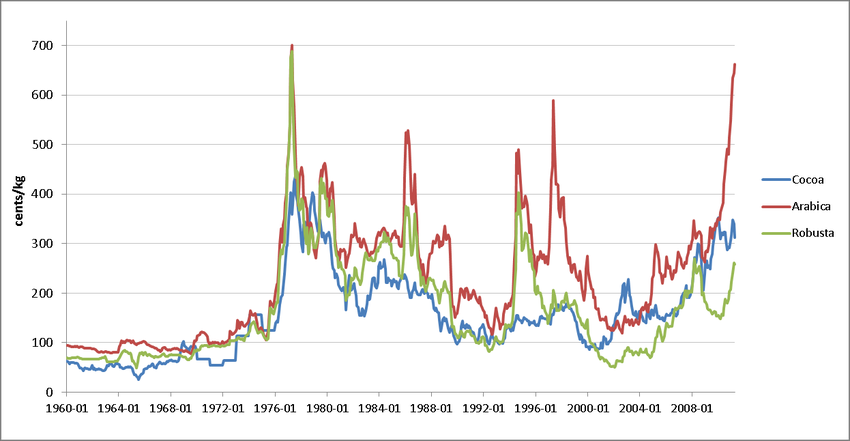
Coffee has been a global commodity for centuries, and its price has fluctuated dramatically.
- 1960s: In the U.S., the cost of a cup of coffee was about $0.36.
- 1980s: The average price rose to $0.45-$0.50, with premium café options starting to appear.
- 2000s: Specialty coffee shops boomed; $2-$3 cups became normal.
- Today: In many cities, a café latte can cost $4-$6 – and even more in premium locations.
Factors affecting coffee price over time include:
- Climate change impacting coffee-growing regions
- Supply chain disruptions
- Rising labor costs
- The growing demand for specialty blends
Source: International Coffee Organization
Daily Coffee Costs vs Homemade Brewing
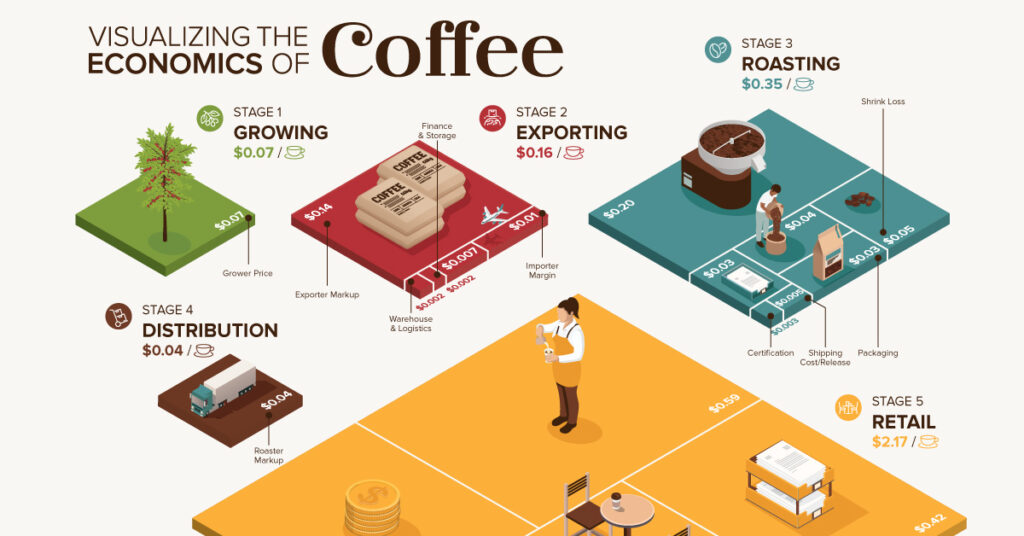
If you buy your coffee at a café every day, you’re paying for more than just beans – rent, labor, and branding are baked into the price.
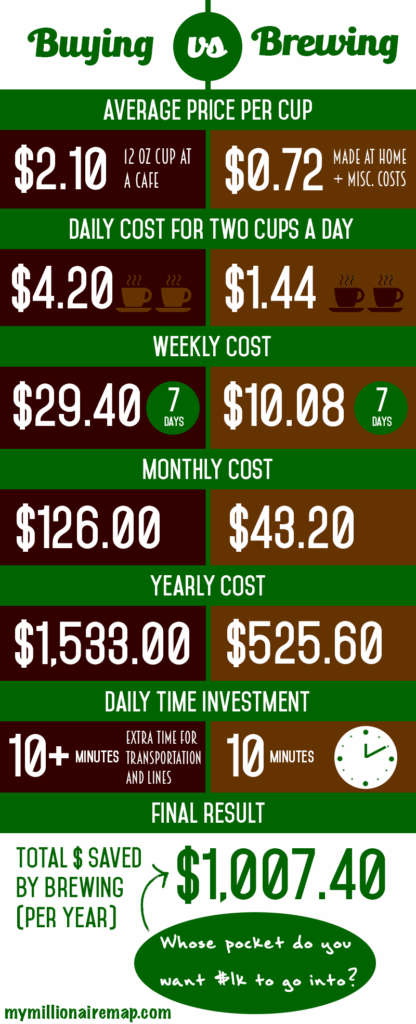
Let’s compare:
| Type | Average Cost per Cup | Annual Cost | 40-Year Cost Over Lifetime |
|---|---|---|---|
| Café Coffee | $4.00 | $1,460 | $58,400 |
| Home Brew | $0.50 | $182.50 | $7,300 |
💡 That’s a $51,100 lifetime difference. If invested instead, it could easily grow to six figures over decades.
The True Cost Over a Lifetime – Beyond the Price Tag
The cost of coffee over a lifetime isn’t just about money.
Time Spent:
10 minutes/day in line =
- 60 hours/year
- 2,400 hours over 40 years (100 full days!)
Environmental Cost:
- Billions of disposable cups in landfills annually
- Coffee farming’s impact on forests and water resources
Health Considerations:
- Moderate intake offers benefits
- Overconsumption can cause anxiety, poor sleep, and heart palpitations
- Studies suggest moderate coffee intake offers health benefits (Harvard T.H. Chan School of Public Health).
Lifetime Supply of Coffee – A Fun Visualization
If you drink 2 cups/day for 40 years:
- 29,200 cups
- ~292 kg (640 lbs) of beans – about the weight of a grizzly bear
- Stacked in disposable cups, it could reach twice the height of the Eiffel Tower
How to Cut the Cost Without Cutting Coffee
- Brew at Home – Use a French press, AeroPress, or pour-over
- Buy Beans in Bulk – Whole beans are cheaper over time
- Use Loyalty Cards – Many cafés offer free drinks after set purchases
- Go Smaller – Reduce cup size to save money and caffeine intake
- Limit Special Drinks – Keep pricey lattes for weekends
Conclusion – Small Changes, Big Savings
Your morning coffee ritual brings joy, but the cost of coffee over a lifetime can be massive. By making a few small adjustments, you can save thousands without giving up the drink you love.
The best part? You can keep your coffee – and your cash.
FAQ
How much does coffee cost over a lifetime?
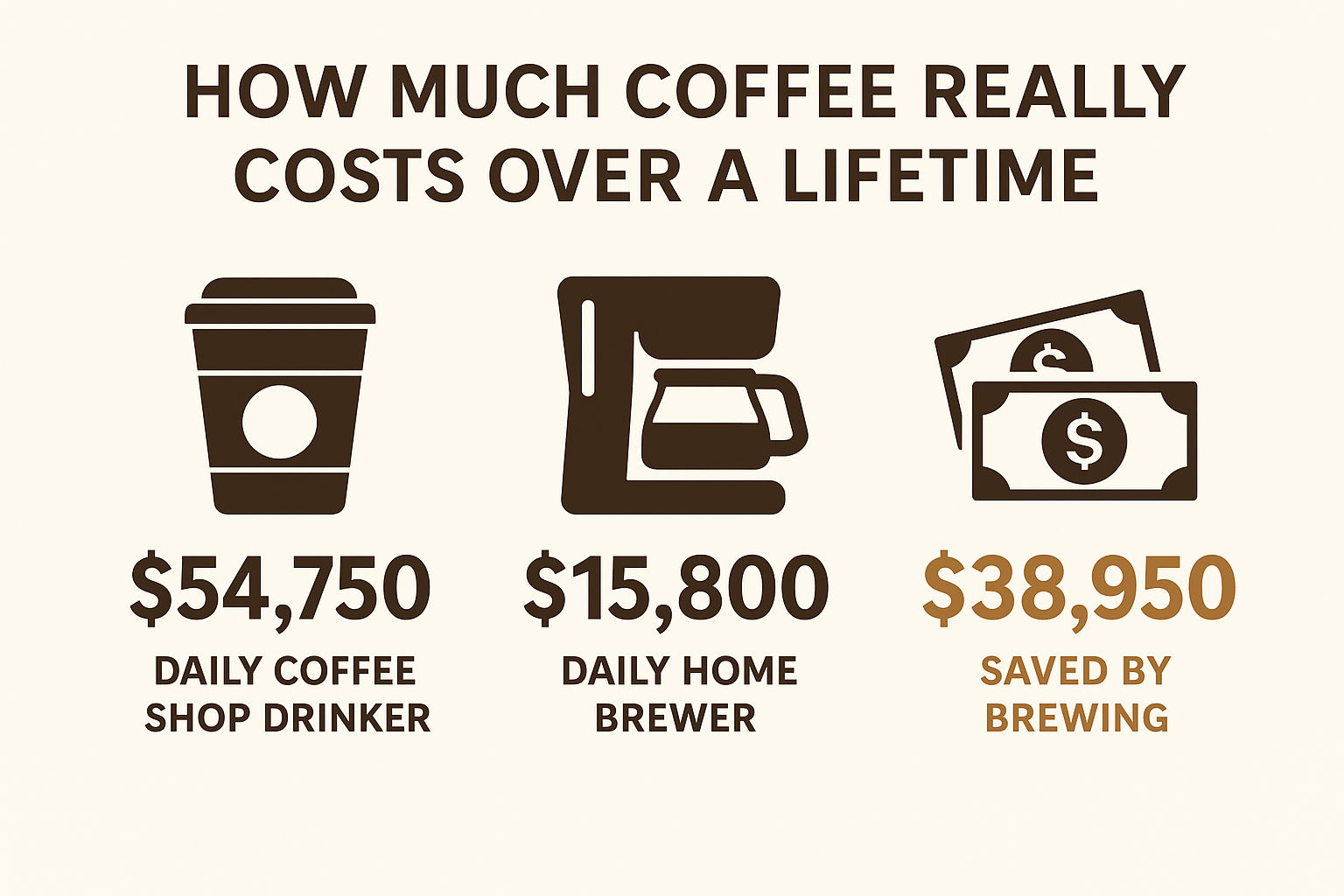
The lifetime cost of coffee depends on your habits. Buying a $3 coffee daily for 50 years can cost over $54,000, while brewing at home might cost around $15,000 for the same period.
Is it cheaper to make coffee at home or buy it?
Brewing coffee at home is significantly cheaper. You can save thousands of dollars over a lifetime compared to daily coffee shop purchases.
How can I reduce my coffee spending?
Switching to home brewing, buying beans in bulk, and using reusable filters are easy ways to cut coffee costs without sacrificing quality.
What factors affect the lifetime cosvt of coffee?
Price changes, consumption frequency, coffee type, and preparation method all influence lifetime coffee costs.
☕ Want to explore more fascinating data behind everyday life?
Dive into real-world cases of numbers gone wrong:
👉 Misleading Data Real Life Examples
Or see how shifting demographics can reshape the world’s future:
👉 Chaotic Population Growth – Visualized on a Graph