

Why a Lottery for Housing on Mars Is Plausible
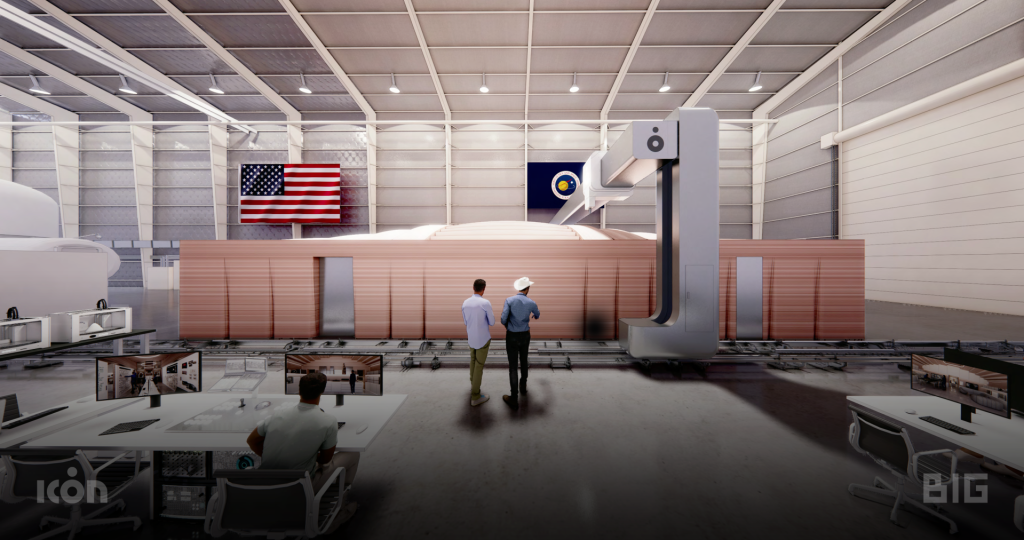
Early housing on Mars will be ultra-scarce. Habitats will be small, berths limited, and crews screened for medical, psychological, and mission-critical skills. That scarcity plus fairness pressures makes a lottery layered on top of strict qualifications a realistic allocation model.
What Exists Today

- Analog habitats: NASA’s CHAPEA missions simulate Mars living in a 3D-printed habitat, testing health, ops, and crew dynamics.
- 3D-printed housing: NASA’s 3D-Printed Habitat Challenge showed viable concepts for autonomous, in-situ construction.
- Transport bottleneck: Vehicles like Starship aim for high capacity, but early missions will likely fly dozens, not hundreds, until life-support mass/volume and reliability scale.
- Space law frame: The Outer Space Treaty bars national appropriation; early “property” will be governed via international/commercial frameworks – another reason a transparent lottery/points system fits.
A Practical “Mars Housing Lottery” Model
1) Baseline qualification (pass/fail)
Medical & psych fitness, language proficiency, safety training, non-smoker, age band.
2) Points weighting (merit)
Critical skills (life-support, EVA, power, construction/3D printing, agriculture, medicine), analog mission experience, confinement teamwork metrics.
3) Equity & diversity lanes
Geographic and socio-economic diversity; non-STEM roles that improve habitability (education, media, design).
4) Lottery among qualified pools
Separate draws for Ops, Hab-maintenance, Science, and Civic/Community roles; odds weighted by mission need.
5) Final training & certification
Bootcamp, simulations, fitness re-check, binding risk disclosure.
How Many Homes? A reality-checked scenario

- Phase 1 (pilot years): per-mission crews of 4 – 12; annual settlers likely dozens total.
- Phase 2 (infrastructure): scale increases as 3D-printed habitats, power, and agriculture expand; housing slots rise with launch cadence and on-site manufacturing.
What a “Ticket” Would Include

- Transport seat (agency/commercial)
- Assigned mars habitat berth (shared quarters, rota schedules)
- Work role + EVA quota
- Return contingency (if any) or multi-year contract
Cost? Public figures like “$100k – $500k” are speculative and depend on economics, safety, and policy. Treat as directional, not guaranteed.
How to Improve Your Odds
- Build skills that print housing: additive construction, robotics, civil/structural, ISRU.
- Get analog mission experience (CHAPEA-style confinement ops, food growth).
- Maintain astronaut-style fitness and documented team performance.
- Contribute open tools for habitat monitoring or farm automation – strong selection narratives.
Risks & Ethics
Radiation exposure, isolation stress, limited medical care, evacuation difficulty, and unsettled questions around governance and individual rights – all demand conservative selection and transparent rules.
Methodology & Why a Lottery Fits
Early housing on Mars will be extremely limited. Habitats will be compact, power and life-support capacity will cap headcount, and medical/psychological screening will exclude many otherwise qualified applicants. That’s why a points-plus-lottery model makes sense: you first meet strict baseline criteria (fitness, training, language, safety), then compete in weighted draws by mission role (ops, construction, medicine, agriculture).
This blends merit with fairness under space-law constraints and acknowledges that launching many settlers before infrastructure scales is unrealistic.
What Counts as “Housing” on Mars?
For the first decade, “homes” will be shared habitat modules with rotating shifts, not private apartments.
Expect bunk rooms, scheduled EVA time, and communal galley/greenhouse areas. As in-situ 3D printing, power, and food production improve, capacity increases and private pods become possible. Until then, a transparent lottery helps allocate scarce berths while diverse skills keep the base running safely.
FAQ
Is there a real “Mars housing lottery” today?
No. This is a plausible future model. Current programs are Earth-based analogs with strict criteria.
Who would run it -NASA, SpaceX, or the UN?
Probably a public-private framework: transport by commercial/agency; selection rules aligned with international space law.
How many people will get housing on Mars at first?
Likely dozens per year until surface infrastructure and life support scale.
Can I buy real estate on Mars?
Not under current space law. Expect use-rights or licenses rather than traditional ownership, at least early on.
What background helps most?
Operations, construction/3D printing, medicine, agriculture – plus analog mission experience.
Further reading on EmpireStats
• Tesla Babies Program – curiosity economics and naming incentives.
• Cost of Coffee Over a Lifetime – lifetime-cost framing + calculator.
• McDonald’s Subscription Plan ($9.99) – value math for fast-food bundles.
