Introduction
Free apps feel harmless. You download them in seconds, skip the payment screen, and start using them immediately. No subscription. No upfront cost. No visible downside.
But free apps are not actually free.
Behind the scenes, they extract value in ways that are harder to notice, harder to measure, and far more expensive over time than a one-time purchase or a small monthly fee. The hidden cost of free apps is paid in personal data, lost time, cognitive attention, battery life, and long-term behavioral impact.
This article breaks down those hidden costs using real-world examples, simple estimates, and long-term perspective so you can understand what “free” really costs.
What “The Hidden Cost of Free Apps” Actually Means
When people hear about the hidden cost of free apps, they usually think of data privacy. That is only one part of the picture.
The full cost includes:
- Personal data collection and resale
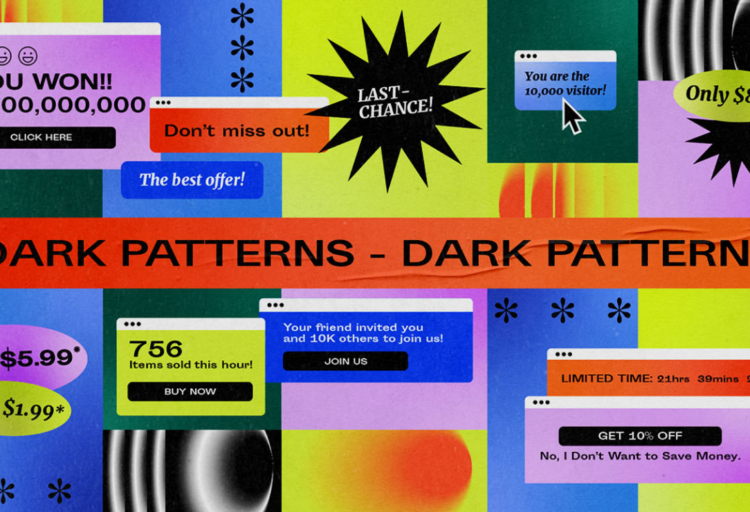
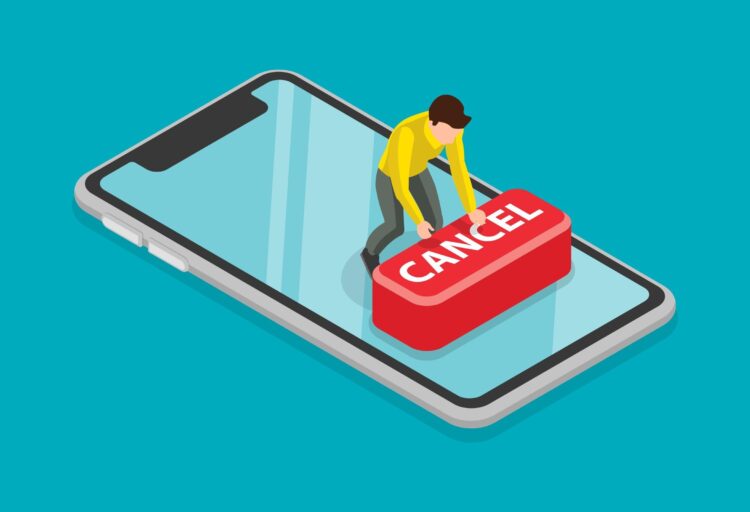
- Time lost to ads, friction, and dark patterns
- Attention monetization through notifications and engagement loops
- Reduced device performance and battery life
- Psychological and behavioral effects that compound over years
Unlike paid apps, free apps must generate revenue after you install them. That revenue almost always comes from you.
How Free Apps Make Money From Users
To understand the true cost, it helps to understand the business models behind free apps.
Most free apps rely on one or more of the following:
Advertising Revenue
Apps track your behavior to show targeted ads. The more time you spend, the more ads you see, and the more data they collect.
Data Brokerage
User data is packaged, anonymized, and sold or shared with third parties. Even “non-sensitive” data becomes valuable at scale.
Behavioral Optimization
Apps are designed to maximize engagement, not efficiency. Infinite scroll, streaks, and notifications are deliberate revenue tools.
Freemium Upsells
Features are intentionally restricted to push users toward subscriptions, often after habits are formed.
Each of these models transfers cost away from money and into time, data, and attention.
The Data Privacy Cost of Free Apps
Personal data is the most obvious hidden cost of free apps.
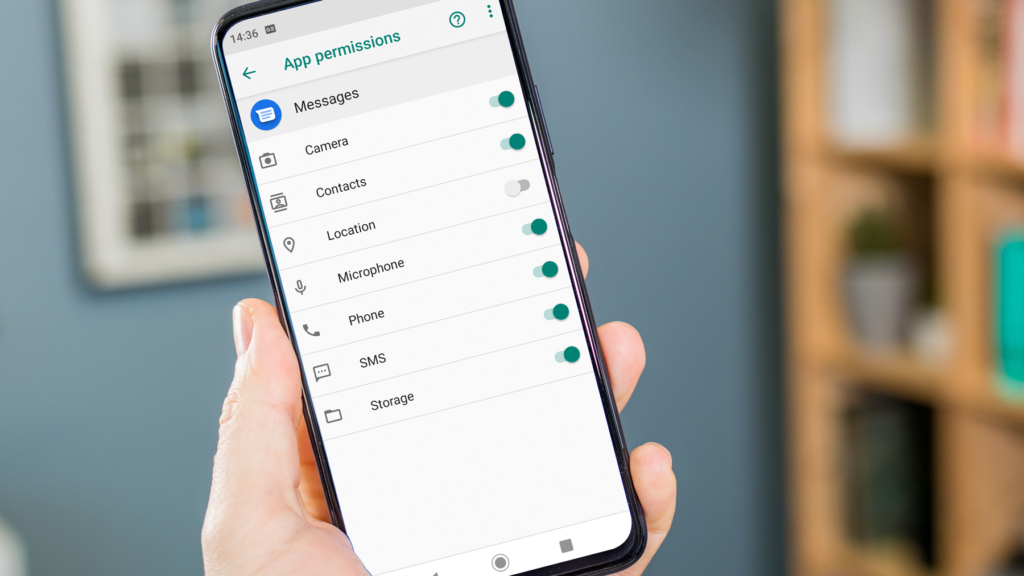
Free apps often collect:
- Location data
- Device identifiers
- Usage patterns
- Contact lists
- Browsing behavior
- Purchase intent signals
Individually, this data seems trivial. Aggregated across millions of users, it becomes extremely valuable.
How Much Is Your Data Worth?
Advertising industry estimates suggest that a single mobile user can generate anywhere from $20 to $60 per year in advertising and data-related revenue depending on region and usage intensity.
Over a decade, that can easily exceed $300 to $500 per user, often without explicit consent or transparency.
You are not paying with money. You are paying with a detailed behavioral profile.
The Time Cost of Free Apps (Often Ignored)
Time is the most underestimated cost of free apps.
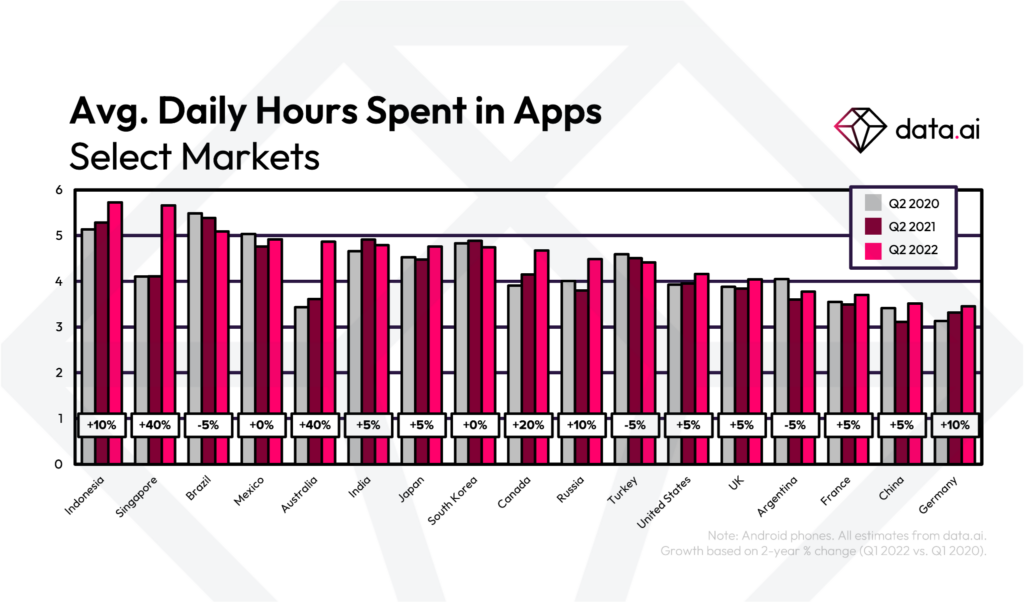
Free apps introduce friction that paid apps usually remove:
- Ads that interrupt tasks
- Forced wait times
- Repeated prompts to upgrade
- Interface clutter designed for monetization
A Simple Time Cost Estimate
Assume:
- 5 free apps used daily
- 2 extra minutes per app per day due to ads and friction
That equals:
- 10 minutes per day
- 60 hours per year
- 600 hours over 10 years
If you value your time at even $15 per hour, that is $9,000 over a decade.
The hidden cost of free apps is not small when viewed long-term.
The Attention Cost of Free Apps
Free apps are optimized for attention extraction, not utility.
Notifications, alerts, badges, and infinite content feeds are designed to pull you back repeatedly, even when the app provides little actual value.
Why Attention Matters
Attention is finite. Every interruption has a cognitive switching cost, even if it lasts only seconds.
Over time, this leads to:
- Reduced focus
- Increased stress
- Lower productivity
- Habitual checking behavior
These costs are difficult to measure precisely, but their impact is cumulative and real.
Non-Monetary Costs: Battery, Performance, and Storage
Free apps often run background processes related to analytics, ads, and tracking.
This leads to:
- Faster battery drain
- Higher data usage
- Slower device performance
- Shorter device lifespan
A phone that feels “old” after two years instead of four has a real financial cost, even if it is indirect.
Free vs Paid Apps: A True Cost Comparison
| Factor | Free App | Paid App |
|---|---|---|
| Upfront cost | $0 | $1 to $10 |
| Ads | Yes | No |
| Data collection | Extensive | Minimal |
| Time efficiency | Low | High |
| Attention cost | High | Low |
| Long-term value | Negative or neutral | Often positive |
In many cases, a $5 paid app is cheaper than its free alternative when all costs are considered.
Real-World Examples of Hidden Costs in Free Apps
Example 1: Free Fitness Apps
Many free fitness apps sell health-related behavioral data while pushing frequent ads and premium upgrades. A paid app removes ads, reduces data sharing, and improves focus.
Example 2: Free Games
Free games often monetize through attention loops, notifications, and microtransactions. Time spent watching ads often exceeds the value of the entertainment received.
Example 3: Free Utility Apps
Flashlight, scanner, or calculator apps often request permissions far beyond what is needed, collecting data unrelated to their core function.
Why These Costs Compound Over Time
The most dangerous aspect of the hidden cost of free apps is compounding.
- Habits become normalized
- Data profiles grow richer
- Attention fragmentation increases
- Switching costs rise
What feels free today can quietly shape behavior for years.
How to Reduce the Hidden Cost of Free Apps
You do not need to delete every free app. Small changes help significantly.
Practical Steps
- Prefer one-time paid apps over freemium models
- Disable non-essential notifications
- Review app permissions regularly
- Remove apps you rarely use
- Pay for tools you use daily
Paying once often saves far more than it costs.
Frequently Asked Questions
Are free apps really free?
No. Free apps monetize users through data, ads, and attention rather than upfront payments.
Do free apps sell your data?
Many free apps share or monetize user data directly or indirectly through advertising networks.
Is a paid app better than a free app?
Often yes, especially for tools you use regularly. Paid apps usually reduce ads, tracking, and time waste.
What is the biggest hidden cost of free apps?
Time and attention. These costs accumulate silently and exceed monetary costs over the long run.
How can I tell if a free app is costing me too much?
Excessive ads, frequent notifications, broad permissions, and constant upsell prompts are strong signals.
Final Takeaway
The hidden cost of free apps is not theoretical. It is measurable, cumulative, and often far higher than the price of a paid alternative.
Free apps convert your data, time, and attention into revenue. Once you see that trade clearly, the definition of “free” changes completely.
For apps you rely on daily, paying upfront is often the cheapest option in the long run.
Internal Links
If you enjoyed this data-driven breakdown, explore more articles:
👉 Streaming Subscription Costs 2025 – 7 Hidden Fees That Are Draining Your Wallet – A detailed look at recurring digital costs and what you really pay beyond the headline price.
👉 10 Misleading Graphs Examples in 2025 – How Charts Distort the Truth – Learn how visual data can mislead on everyday topics, from economics to tech.
👉 Shrinkflation Examples: 12 Everyday Cases (and How to Beat Them) – Hidden costs in what you buy, showing how products subtly shrink while prices stay the same.
👉 The Cost of Coffee Over a Lifetime – 5 Shocking Facts About Your Daily Cup – A long-term cost perspective on an everyday purchase.
These expand on consumer economics, hidden fees, and the unseen trade-offs in modern life.