Introduction
Signing up for a subscription is effortless. Canceling it often is not.
Across streaming platforms, SaaS tools, digital media services, and mobile apps, users encounter deliberate friction when attempting to unsubscribe. These practices are known as subscription cancellation dark patterns – interface and UX strategies intentionally designed to make leaving harder than joining.
At EmpireStats, we previously explored manipulative UX tactics in our breakdown of dark pattern design strategies:
https://empirestats.net/2026/01/25/dark-patterns-examples/
In this article, we examine real subscription traps examples, explain why canceling subscriptions is hard, and explore the regulatory pushback emerging in 2026.
Understanding these subscription traps examples helps consumers make informed decisions and avoid unnecessary recurring charges. As regulations tighten, transparency and frictionless cancellation may become not only ethical best practice but legal requirement.
What Are Subscription Cancellation Dark Patterns?
Subscription cancellation dark patterns are manipulative design techniques that make ending a subscription significantly more complicated than starting one.
A well-known model is the “roach motel” pattern: easy to enter, difficult to exit.
These patterns are widely recognized by consumer protection organizations such as the Federal Trade Commission:
Federal Trade Commission negative option marketing guidance
Unlike accidental UX flaws, these systems are deliberately structured to reduce churn and increase recurring revenue.
Why Canceling Subscriptions Is Hard by Design
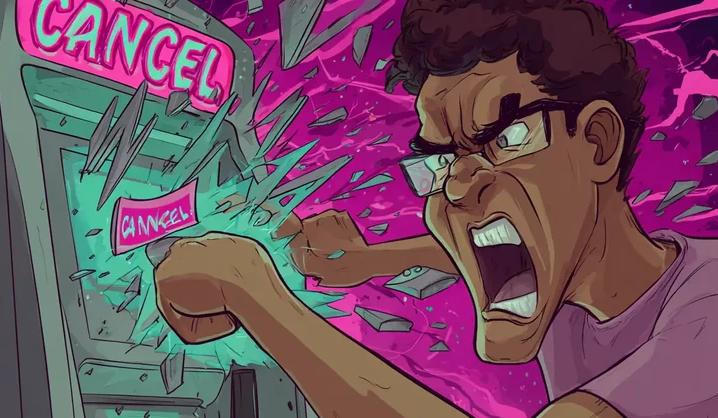
Subscription businesses depend on predictable behavior. Even minor friction can significantly reduce cancellations.
Here are the main mechanisms behind subscription cancellation dark patterns:
1. Friction Through Interface Complexity
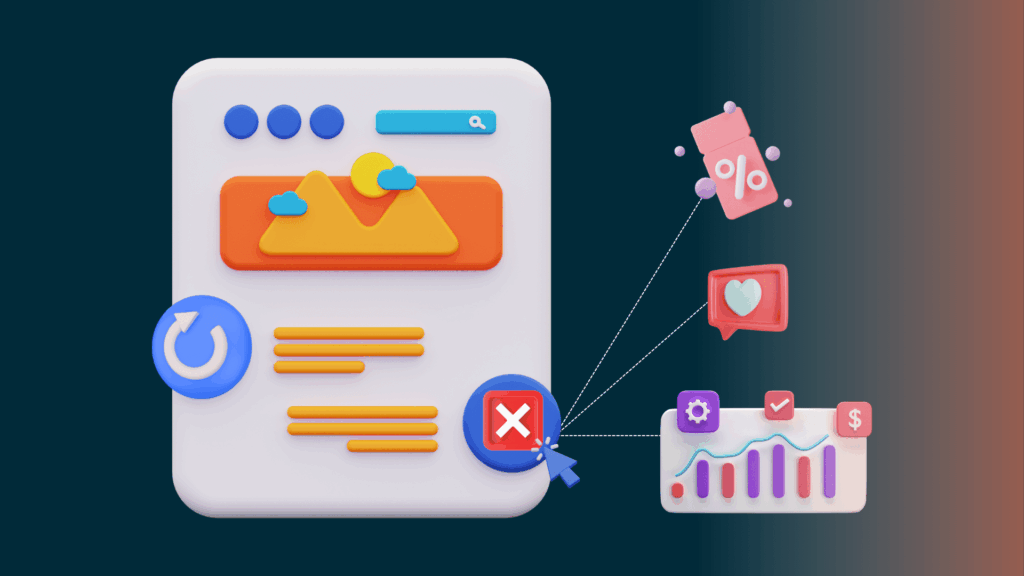
Some services require:
- Navigating multiple menus
- Completing forced surveys
- Confirming cancellation repeatedly
- Switching plans instead of fully canceling
Each extra step increases abandonment probability.
2. Forced Human Interaction
Certain companies allow instant online sign-up but require cancellation via:
- Phone calls
- Live chat with retention agents
- Email requests with processing delays
This asymmetry is intentional.
3. Emotional Manipulation
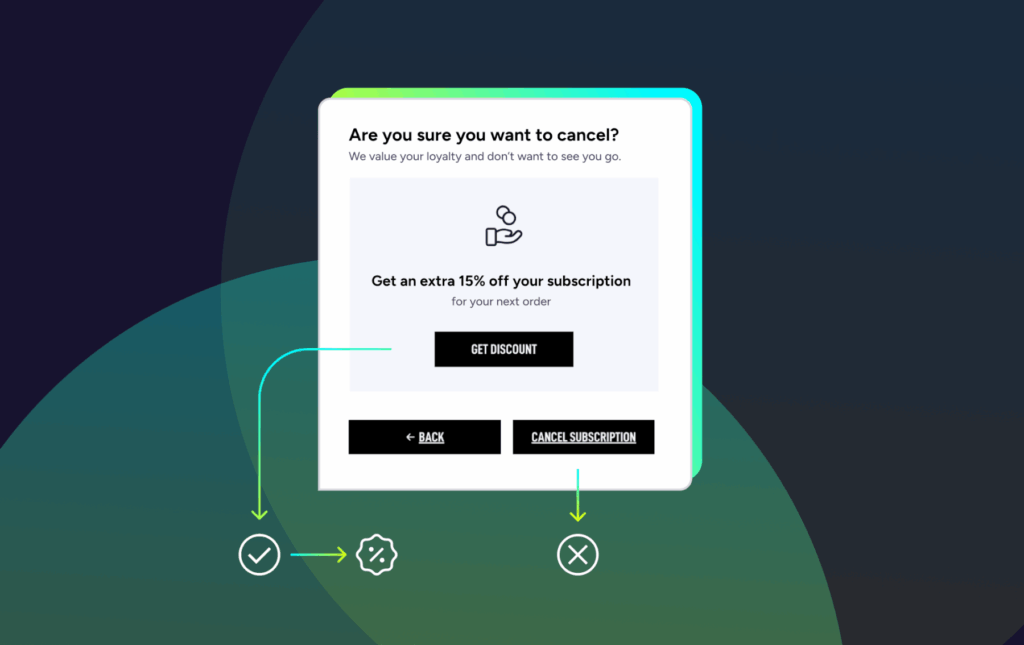
Users may encounter prompts such as:
- “Are you sure you want to lose access?”
- “You will lose your benefits immediately.”
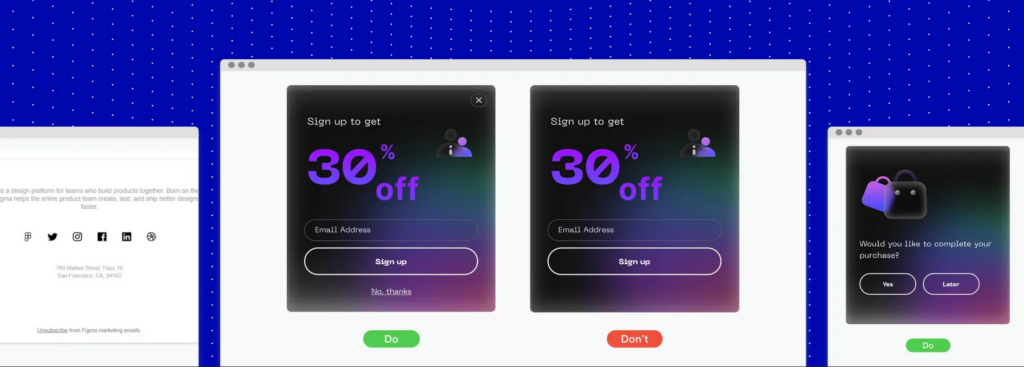
- “We can offer you 30% off if you stay.”
These messages exploit loss aversion and hesitation.
4. Auto-Renewal Defaults
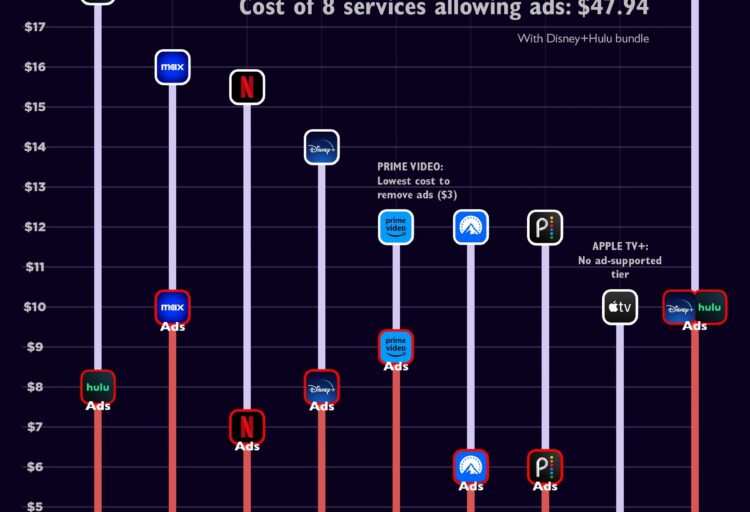
Subscriptions often renew automatically unless canceled before a deadline. This recurring billing model has been examined in depth in our analysis of subscription cost structures:
https://empirestats.net/2025/11/30/streaming-subscription-costs-2025/
Auto-renewal combined with hidden cancellation steps creates a powerful retention mechanism.
Real Subscription Traps Examples
Example 1: The Settings Maze
Cancellation is buried under:
Account → Preferences → Billing → Manage Plan → View Options → Cancel
Meanwhile, sign-up required one click.
Example 2: Phone-Only Cancellation
The service allows digital enrollment but requires cancellation during limited business hours via phone.
Example 3: The Discount Loop
When attempting to cancel, users are offered:
- Temporary discounts
- Trial extensions
- Paused billing
While not inherently unethical, repeated offers create decision fatigue.
Example 4: Downgrade Instead of Cancel
The “Cancel” button redirects to a lower-tier paid plan instead of ending billing.
The Business Incentive Behind Hard-to-Cancel Subscriptions
Subscription models rely on retention metrics such as:
- Churn rate
- Customer lifetime value
- Average subscription duration
Even a 1% improvement in churn can significantly impact profitability. This financial incentive explains the widespread adoption of subscription cancellation dark patterns.
However, increased regulatory scrutiny is reshaping the landscape.
Regulatory Developments: The Click-to-Cancel Rule
In 2026, U.S. regulators strengthened enforcement around so-called “negative option” marketing.
The Federal Trade Commission introduced updated rules requiring that cancellation be as easy as enrollment:
FTC Click-to-Cancel rule announcement
Often referred to as the “Click-to-Cancel” rule, it mandates symmetry between signup and cancellation processes.
This regulatory shift may influence global standards over time.
How to Avoid Subscription Traps
1. Review Cancellation Terms Before Subscribing
If cancellation instructions are unclear or require offline steps, consider it a risk indicator.
2. Set Renewal Reminders
Use calendar alerts before trial periods or renewal dates.
3. Audit Recurring Payments
Check card statements monthly for overlooked subscriptions.
4. Keep Proof of Cancellation
Save confirmation emails or screenshots if cancellation requires interaction.
FAQ
What are subscription cancellation dark patterns?
They are UX design tactics that make unsubscribing more difficult than subscribing.
Why do companies make subscriptions hard to cancel?
To reduce churn and increase recurring revenue by introducing friction in the cancellation process.
What is a subscription trap?
A subscription trap occurs when it is easy to sign up but intentionally difficult to cancel.
Is making cancellation difficult legal?
Regulation is evolving. In some jurisdictions, cancellation must be as simple as enrollment.
Conclusion
Subscription-based services dominate the digital economy. While convenient, they increasingly rely on subscription cancellation dark patterns to maximize retention.
Understanding these subscription traps examples helps consumers make informed decisions and avoid unnecessary recurring charges. As regulations tighten, transparency and frictionless cancellation may become not only ethical best practice but legal requirement.